Project Type: Residential Sidewalk Repair
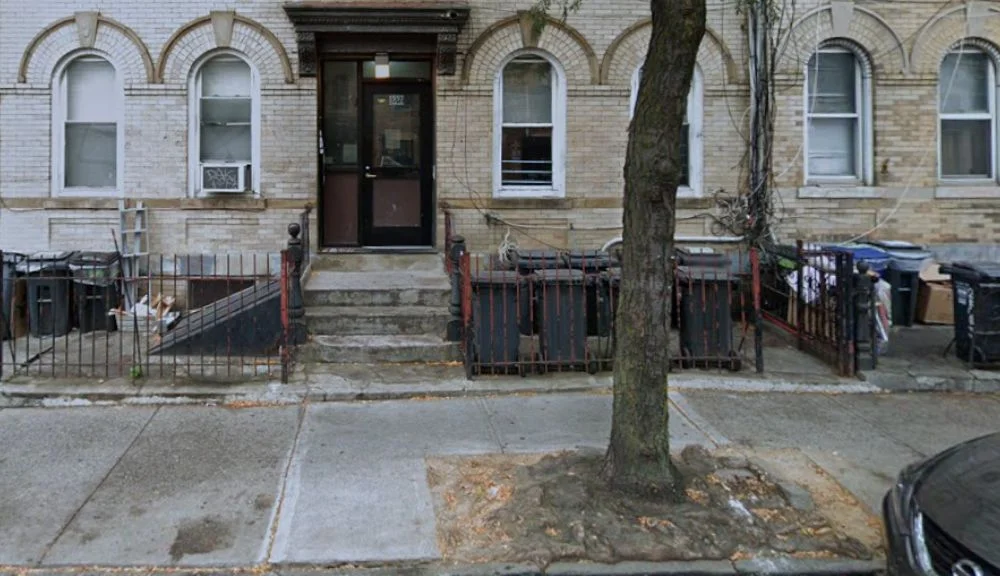
Property Location: 1557 Dekalb Ave, Brooklyn, NY 11237
Neighborhood: Bushwick, Brooklyn; predominantly residential area with a Walk Score of 98/100 and heavy pedestrian activity
Areas We Fixed: 7 sidewalk slabs totaling approximately 175 square feet
Estimated Project Cost: Approximately $4,800, including permit costs
Cause of Damage: Sidewalk uplift and severe cracking caused by aggressive tree root growth
Services We Provided: Replaced damaged sidewalk slabs, pruned tree roots, and installed a root barrier to help prevent future damage
Project Timeline: Completed within the 75-day correction period specified in the NYC DOT violation notice
At 1557 Dekalb Avenue in Bushwick, Brooklyn, a four-story residential apartment building faced a violation notice for severely cracked sidewalk slabs caused by aggressive tree root growth. The property sits on a residential block in a neighborhood with a Walk Score of nearly 98 out of 100, classified as a "Walker's Paradise," meaning the sidewalk in front of this building carries near-constant foot traffic from residents, neighbors, and pedestrians cutting through the dense, walkable corridor. Seven slabs, covering roughly 175 square feet, had buckled and cracked as tree roots pushed up from below. With heavy daily pedestrian use and a city-mandated 75-day correction window attached to the violation notice, the property owner needed a repair that addressed the damage without inviting a repeat problem in another year or two.
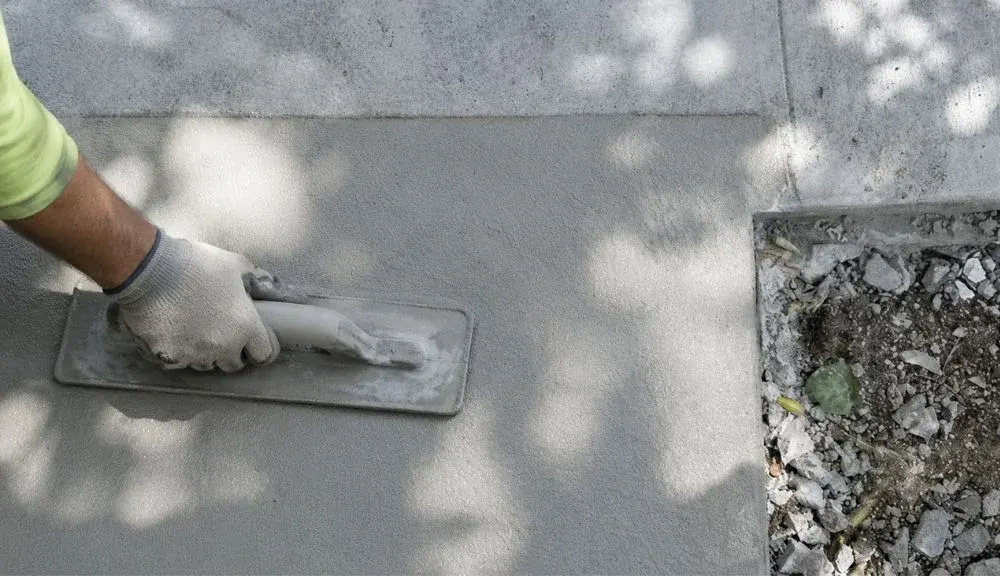
A simple slab swap wasn't going to hold here. Root damage that's bad enough to crack multiple slabs means the root system is still active and still growing, so replacing concrete without addressing the root itself just buys time before the same cracks reappear.
The approach combined three elements:
This combination was chosen by Brooklyn Sidewalk Repair Pros over a faster, cheaper patch-and-fill option specifically because of the property's foot traffic volume and the legal correction deadline. A patch job might pass a quick visual check but wouldn't hold up structurally, and a second violation down the line would cost more in fines and disruption than doing the root work upfront.
Site assessment and root mapping: Before touching any concrete, the team identified which of the seven slabs were affected and traced the root growth pattern beneath them to determine how far the roots extended and which direction they were spreading.
Permit filing: With the violation notice setting a 75-day clock, permit paperwork was filed early in the process to avoid losing time to municipal processing delays.
Root pruning: Affected roots were cut back to a safe distance from the repair zone, enough to relieve the pressure causing the slabs to crack without harming the health of the tree itself.
Slab removal: All the damaged slabs were broken out and cleared, along with any remaining root material in the excavation area that could interfere with the new base or barrier installation.
Root barrier installation: A physical root barrier was installed along the boundary between the tree and the new sidewalk section, designed to redirect future root growth downward rather than laterally back into the concrete.
Base preparation and slab replacement: A new compacted base was laid, and all slabs were poured to current code specifications, restoring a level, even walking surface across the full 175-square-foot repair area.
Final inspection and sign-off: The completed work was reviewed by the DOT inspector against the violation notice requirements to confirm compliance before the 75-day correction deadline.
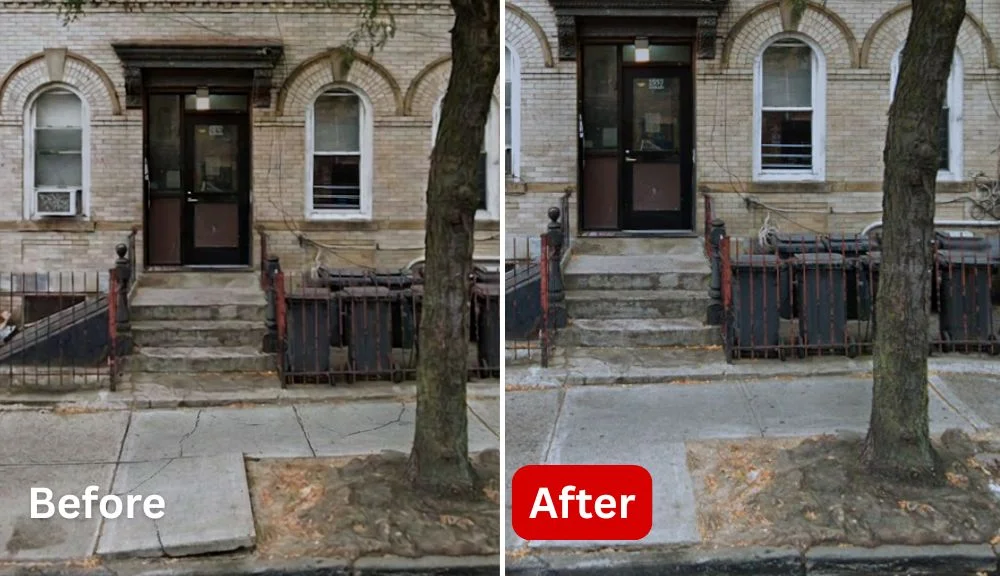
The repaired sidewalk now presents a level, code-compliant walking surface in a corridor where pedestrian volume is among the highest in the neighborhood, removing a tripping hazard that had been building for an extended period before the violation was issued.
Tree root damage isn't just a sidewalk problem, but it's an underground tree growth issue that eventually shows up as cracked and uneven concrete. Replacing slabs without addressing the root system underneath is a short-term fix that tends to fail again within a few growing seasons, especially in established residential blocks where street trees have had years to mature their root networks. For properties with violation deadlines, the smarter long-term move is to pair the structural repair with root management work in the same project, even if it adds a small amount of upfront cost. It's almost always cheaper than facing a second violation on the same stretch of sidewalk two or three years later.
Call today at 718-475-6280, or complete our online request form. We handle sidewalk repair, DOT violation removal, replacement, and driveway work across Brooklyn.